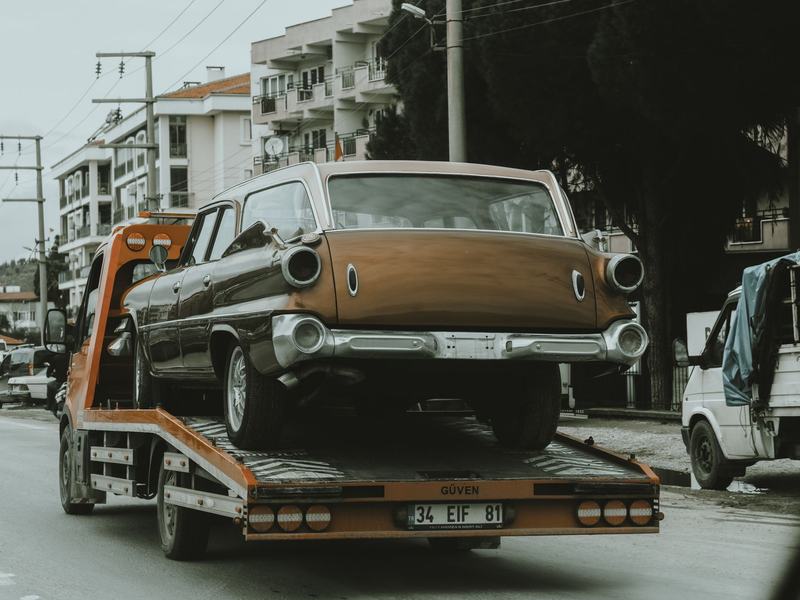
Waterloo roads can change fast from dry pavement to ice, standing water, or soft shoulders. This guide covers local seasonal risks and the safe time to stop driving and call for towing help.
The first hard freeze often catches drivers off guard. Bridges, ramps, shaded streets, and less-traveled roads can ice up before the rest of the pavement. Snow packed into residential intersections can also reduce traction long after the main streets have been plowed.
Waterloo and the surrounding Cedar Valley can see strong winds along with snow. Wind pushes snow back across roads, reduces visibility, and creates drifts at rural driveways and open stretches outside town. A vehicle can be stuck even when the snowfall total does not look large on paper.
Call for help early if you slide into a ditch, hit a snowbank hard, lose steering control, or have damage underneath the vehicle. Continuing to drive after a curb strike or ditch slide can damage a tire, wheel, suspension part, oil pan, or exhaust system.
Freezing rain is often worse than snow for driving. A thin glaze can make it hard to stand, much less walk around a vehicle or safely work on a tire. If your car is stopped on a hill, at an intersection, or near fast traffic, do not take risks trying to push it yourself.
If the vehicle is in a safe location, stay inside with doors locked and hazards on while you arrange help. Keep the exhaust area clear of snow if the engine is running, and never sit in a closed garage with the engine running.
For a tow request, give the dispatcher clear details about the road surface. Tell them if the vehicle is on ice, facing downhill, partially in traffic, or close to a ditch. That information helps the operator bring the right equipment and approach the vehicle safely.
Spring thaw and heavy rain can soften shoulders, gravel lanes, alleys, and yard edges. Black Hawk County soils include areas with silty and loamy soils that can lose strength when saturated. A truck or SUV may look fine on grass until one tire drops through the soft edge.
The Cedar River runs through Waterloo, and local rainfall can create standing water in low areas. Never drive into water over the road. The pavement may be washed out, the water may be deeper than it looks, and moving water can push a vehicle off line.
If your car becomes stuck in mud or on wet turf, stop spinning the wheels. Turn off traction control only if your owner's manual recommends it for a brief attempt, but do not keep digging. A tow operator can assess whether a straight pull, a winch line, or a different recovery setup is needed.
Iowa thunderstorms can bring high wind, hail, heavy rain, and fallen branches. The August 2020 derecho caused widespread damage across Iowa and is a reminder that wind events can leave streets blocked and vehicles damaged by debris. After a major storm, towing demand can be high, so call as soon as you know the vehicle cannot be driven safely.
Do not drive over downed power lines, through debris piles, or around barricades. Treat every fallen wire as energized and keep people away. Call 911 or the utility company for electrical hazards before arranging a tow near the area.
Check under the vehicle after driving through deep water or storm debris. Leaks, hanging plastic shields, loose bumpers, tire damage, warning lights, and overheating are reasons to stop and arrange a tow instead of trying to make it home.
A basic Waterloo vehicle kit should include a phone charger, flashlight, reflective vest, jumper cables or a jump pack, tire gauge, warm gloves, blanket, bottled water, and a small shovel in winter. Add a windshield scraper and traction material during snow season.
Keep your insurance card, roadside-assistance number, and an emergency contact where you can find them quickly. If you use a phone app for insurance or roadside help, make sure you know the login before you are sitting on the shoulder in bad weather.
When you call for a tow, share your exact location. A nearby business name, cross streets, mile marker, direction of travel, vehicle description, and a photo if requested can save time. In storms, clear information helps the tow truck reach you without making an unsafe guess.
Also in our network: Best Time for Concrete Work in Waterloo, IA (Local Weather), Best Time of Year for Dumpster Rental in Waterloo, IA.
Send us a few details and a photo and we will get you a free quote.
Get my free quote WATERLOO